
Agreed Value vs Stated Value: Classic Car Insurance Explained
Stated value sounds like a promise and usually isn't one. Here's what agreed value, stated value and actual cash value actually pay when a classic is totaled or stolen, and the questions to ask before you renew.
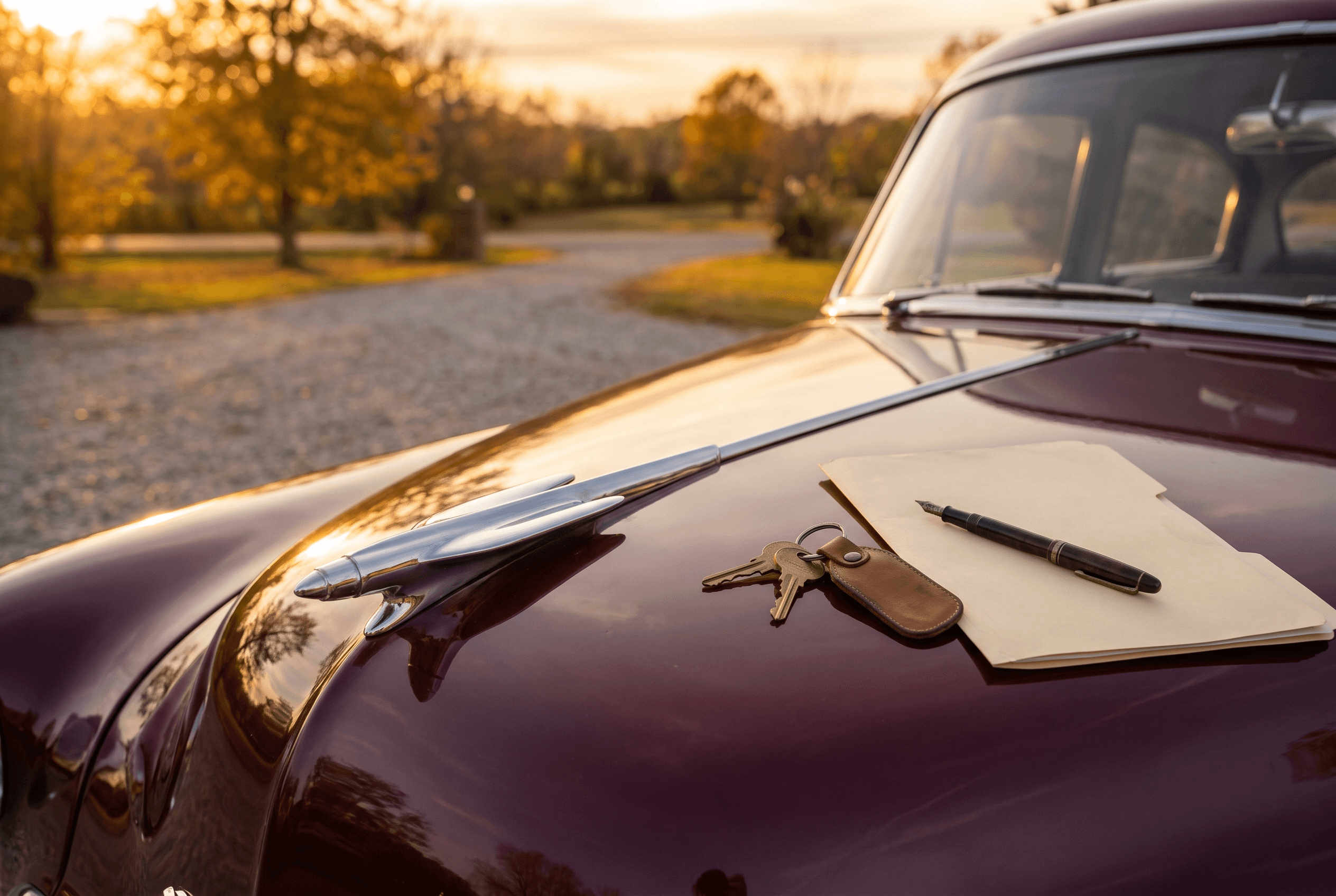
The difference between agreed value and stated value comes down to one question: if the car is totaled or stolen, who decides what the check says? With agreed value, you and the insurer settle on a number when the policy is written, and a covered total loss pays that number, less any deductible. With stated value, you name a number too, but the insurer can pay the lesser of that figure or the car's actual cash value at the time of the loss. The stated figure is a ceiling, not a promise.
That one clause is why most collector car advice points owners toward agreed value, and why the word "value" on a declarations page tells you very little until you read the settlement wording. This guide explains all three valuation methods, how the number gets set, what usually comes attached to a collector policy, and the questions to ask before your next renewal. It's general information, not advice on your specific policy. Terms vary by insurer and by state, so confirm everything here with your own insurer or agent.
Actual Cash Value: The Default, and Why It Fails Classics
A standard auto policy usually settles a total loss at actual cash value, or ACV: what the car was worth on the market immediately before the loss, after depreciation. For a five-year-old commuter that is a reasonable way to price things. The adjuster pulls comparable sales, adjusts for mileage and condition, and makes an offer.
For a collector car it goes wrong in predictable ways. The adjuster's comparables may be ordinary used examples rather than restored ones. The valuation tools a standard claims department leans on are built around depreciation, while many collector cars hold or gain value. And the money you put into the car rarely shows up: a fresh engine rebuild, a correct interior, a better-than-factory paint job or a rare option package can all vanish into a figure based on what a typical example sells for. You can dispute an ACV offer, but you are arguing after the loss, with the insurer holding the checkbook.
Stated Value: The Number That Sounds Like a Promise
Stated value policies ask you to declare what the car is worth, and the premium is based on that number. That feels like agreed value. The difference is in the loss settlement clause, which on a typical stated value policy says the insurer will pay the stated amount or the actual cash value, whichever is less.
Work through an example. You insure a car at a stated value of $60,000. It's stolen and never recovered. The insurer's appraisal puts its actual cash value at $45,000. On a stated value policy, the settlement is $45,000 minus your deductible. On an agreed value policy at $60,000, it would be $60,000 minus your deductible. You paid premium on $60,000 either way.
The stated number only ever works in one direction. If the car is worth less than you stated, you get less. If it's worth more than you stated, you are still capped at the stated figure. That is why stated value is sometimes a little cheaper than agreed value, and why it's worth knowing which one you have before something happens, not after.
Two cautions. First, some insurers use the terms loosely, and a policy marketed with friendly language can still carry an ACV clause, so read the valuation wording itself. Second, "stated amount" is another name you may see for the same structure.
Agreed Value: The Check Is Settled Up Front
On an agreed value policy, the insurer reviews the car before coverage starts, accepts a value, and commits to paying that amount for a covered total loss. Some specialty insurers use their own trademarked names for it. Hagerty, for instance, calls its version Guaranteed Value, and says that any deductible, and the salvage value if you choose to keep the wrecked car, comes off the payout, and that its Guaranteed Value includes taxes and fees unless state law prohibits it.
That last detail matters more than it looks. Agreed value fixes what a total loss pays. It does not fix what a partial loss pays. A crumpled fender or a fire in the dash is typically settled as a repair claim under the policy's terms, so the questions below about shops and parts are just as important as the headline number.
The trade-off is eligibility. Insurers that offer agreed value generally write it only for cars used as collector vehicles, not as transportation, and they attach conditions to make that true.
How the Agreed Number Gets Set
The value is negotiated, not declared. You propose a figure and support it, and the insurer accepts it, asks for more evidence or counters. What usually helps:
- Current photos of every side, the interior, the engine bay, the trunk and the underside, plus close-ups of anything that makes the car better than average: correct tags, original paperwork, a numbers-matching drivetrain.
- Receipts and invoices for restoration and major work, organized by date. Our guide to planning a classic car restoration recommends keeping that file from day one, and this is one of the reasons.
- Comparable sales of the same model in similar condition: completed auction results and sold listings, not asking prices.
- A professional appraisal, when the insurer asks for one or the car is unusual, heavily modified or high value. Requirements differ by insurer and by value, so ask rather than paying for one you don't need.
Store copies away from the car. A fireproof document bag in the house, plus a cloud folder of scans, means the evidence survives the same fire or theft that took the car.
Insure at what the car would cost to replace with a comparable one, not at what you've spent. Build costs on a classic often exceed market value, and an insurer will usually accept a value the market supports, not one your receipts add up to.
What Collector Policies Usually Ask of You
Agreed value coverage is usually cheaper than a standard policy on the same car, because the insurer is pricing a vehicle that sits more and gets driven carefully. The conditions are how it makes sure of that. They vary, but these come up again and again:
- Not a daily driver. Pleasure use, club events, tours and shows are the intended use. Commuting, errands and business use often are not covered uses, or are restricted.
- Secure storage. Many insurers require an enclosed, locked garage or storage unit. A carport or the street usually won't qualify. If your storage arrangement changes, tell the insurer. Our guide to protecting a classic car from theft covers garage and storage unit security in detail.
- A regular-use vehicle for every driver. Hagerty's own guidelines, for example, call for each licensed driver in the household to have a separate regular-use vehicle for daily driving.
- Mileage. Some policies set an annual mileage cap or sell mileage tiers; others have no fixed limit and rely on the use restrictions instead. Know which you have and estimate honestly, including the drive to every show on your calendar.
- Driver standards. Minimum age, years licensed and a clean driving record are common.
- Vehicle condition. The car generally has to be in collectible condition, or a documented project, and some insurers set a minimum value.
Breaking these conditions can create a coverage problem at exactly the wrong moment, so treat them as part of what you're buying.
Extras Worth Asking About
Collector policies often bundle coverages that standard policies don't. Whether each is included, optional or unavailable depends on the insurer and the state:
- Spare parts coverage for the boxes of parts on the shelf. The limit is often modest, commonly in the hundreds or low thousands of dollars, so if you've stockpiled rare trim, ask whether you can schedule more.
- Inflation or value-increase options that raise the agreed value automatically during the term.
- Restoration or under-construction coverage that lets the value rise in steps as a project progresses. Read how and when those increases reset.
- Flatbed towing, rather than a wheel-lift tow that can damage a low or fragile car.
- Choice of repair shop and how parts are sourced for a partial loss.
- Coverage while trailered or in transit, and at shows, which matters for anyone hauling a car to an event. Our guide to road-tripping to a car show flags trailering exclusions as a common surprise.
Questions to Ask Before You Renew
Renewal is the natural time to check, because the market and the car both change. Take this list to your insurer or agent:
- Is my valuation agreed value, stated value or actual cash value, and where in the policy does it say so?
- On a total loss, what exactly is subtracted from the agreed value? Deductible, salvage if I keep the car, anything else?
- Does the payout include taxes and fees?
- How are partial losses settled, who chooses the shop, and what kind of parts will you pay for?
- Has the market for this model moved enough to change the value? What evidence do you need to raise it?
- What are the mileage, use, storage and driver conditions, and has anything about my situation changed?
- Am I covered at shows, cruise-ins and while trailering?
- What is the spare parts limit, and can I schedule more?
If you've finished work on the car this season, bring the receipts and fresh photos. A value set before a restoration and never updated is the most common way a well-insured car becomes an underinsured one. Then get it back out: find a car show near you this weekend.
Frequently Asked Questions
What is the difference between agreed value and stated value?
With agreed value, you and the insurer settle the car's value when the policy starts, and a covered total loss pays that amount minus the deductible. With stated value, the insurer can pay the lesser of the stated amount or the car's actual cash value at the time of the loss. Stated value caps your payout; agreed value fixes it.
Is agreed value insurance worth it for a classic car?
For most collector cars, yes, because it removes the argument over depreciation after a loss. It usually comes with conditions such as limited use and secure storage, so it fits a car that is not your daily driver. Compare quotes and read the conditions before you switch.
Do I need an appraisal for agreed value coverage?
Not always. Many insurers accept photos, receipts and comparable sales for typical cars, and ask for a professional appraisal for high-value, rare or heavily modified vehicles. Ask your insurer what it requires before paying for one.
How often should I update my classic car's insured value?
Review it at every renewal, and after any major work, a big parts purchase or a noticeable change in the market for your model. An insurer generally pays the value on the policy, not what the car has become since.
Keep Reading
Find Your Next Car Show
Browse hundreds of upcoming shows, cruise-ins, and meets near you.
Browse Events