
How to Plan a Road Trip to a Car Show: Route, Packing, and Convoy Tips
Getting a decades-old car hours from home takes more than a full tank. Here's the planning sequence experienced show-goers use for the drive itself.
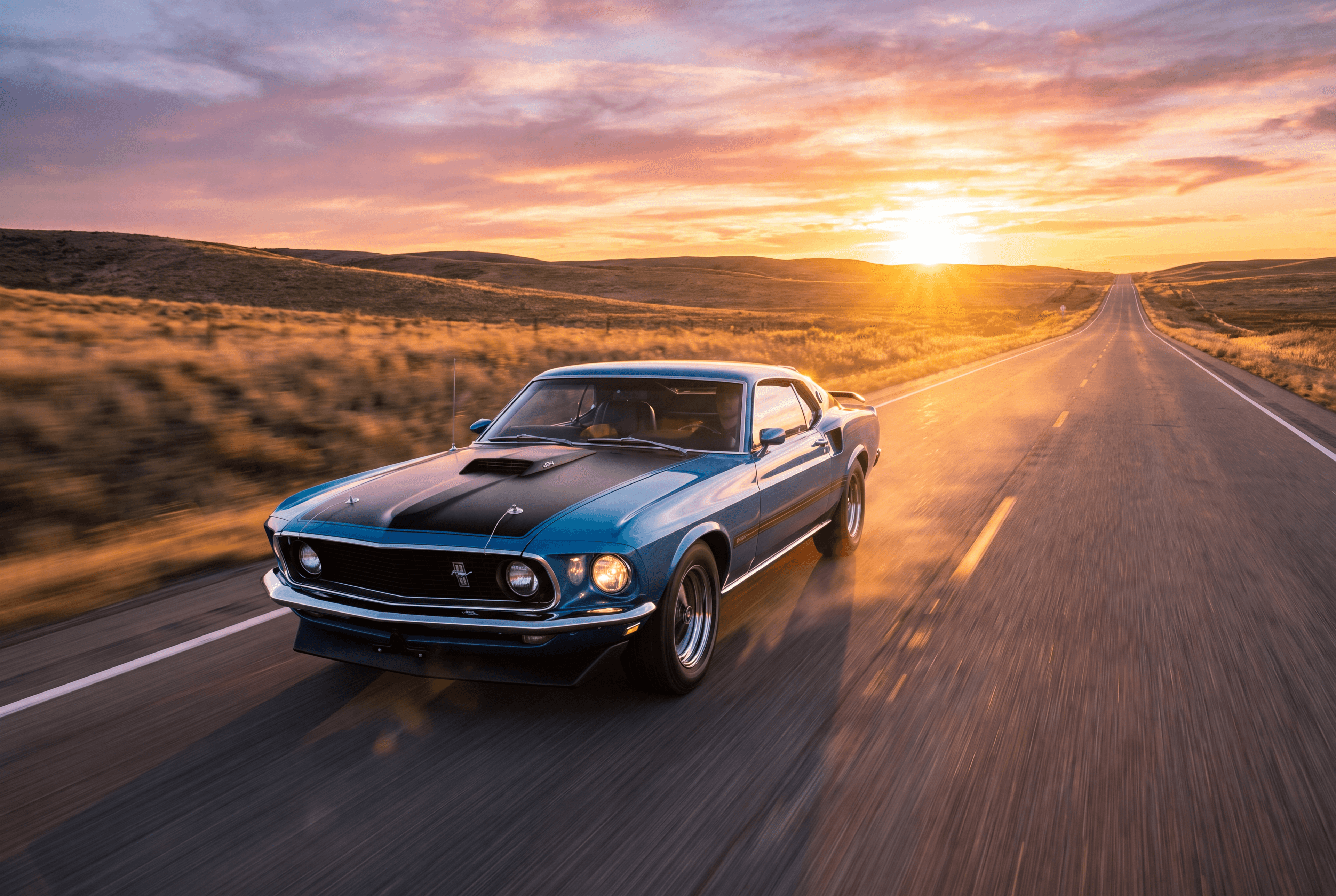
Most of the best shows aren't in your town. They're two, four, sometimes eight hours away, and getting a 40- or 50-year-old car there in one piece takes more planning than just plugging an address into your phone. A road trip to a car show has different failure modes than a daily commute: a cooling system that's fine for stop-and-go traffic can struggle on a sustained highway grade in July heat, and a tire that looks fine in the driveway can be six years past its safe service life.
This is the planning sequence experienced show-goers actually use: decide whether to drive or trailer, map the route with your car's limitations in mind, do a real mechanical check two weeks out (not the morning of), pack a trip kit that's different from your show-day detailing bag, and set a realistic arrival time that doesn't leave you sweating a start-line clock.
Decide: Drive It or Trailer It?
There's no universal cutoff, but most experienced owners use rough mileage bands. Under 150-200 miles each way, almost anyone with a mechanically sound car just drives it. Between 200 and 400 miles, it comes down to the car: a numbers-matching engine with low original miles, a fresh restoration you don't want to stress-test, or a car with known cooling or overheating quirks is often better off on a trailer. Past 400-500 miles in a day, plenty of owners trailer regardless of condition, simply to arrive rested and park a clean, unstressed car. Plenty of owners go the other way entirely: one AutoShowList member drove a 1966 Mustang he pulled out of a field the full length of Route 66.
Trailering isn't cheap. An open utility trailer rental typically runs $50-$100/day plus mileage from a local rental yard, while an enclosed car trailer runs $125-$250/day, and full-service enclosed auto transport (someone else drives it) runs roughly $0.60-$1.00 per mile depending on distance and season. Factor in a tow-capable vehicle, hitch weight limits, and check your car insurance policy, some classic car policies exclude trailering damage unless you add a rider.
Map the Route Before You Commit
Use the road trip planner to lay out your stops against shows happening along the way, rather than driving a straight highway shot and missing events you'd have detoured for. A few route-planning specifics that matter more for a 50-year-old car than a modern one: avoid routes with heavy fresh chip-seal or grooved concrete if you're running bias-ply or reproduction period tires, they ride noticeably worse and generate more heat. If your route crosses elevation above 5,000-6,000 feet, a carbureted engine tuned for sea level can run rich, hesitate, or vapor lock on a hot climb, know your car's history at altitude before committing to a mountain route.
Plan fuel stops around your actual tank range, not the interstate's exit spacing. Many classics have 12-16 gallon tanks and worse highway mileage than a modern car, so a stop every 150-200 miles is a safer assumption than trusting the gas light. If you're running a long interstate leg through the Plains or the South in summer, check the forecast for hail corridors a day out, a sudden hailstorm is the single most common way a road trip ends a car's whole season.
Mechanical Prep, Two Weeks Out
Don't do your pre-trip check the night before, if something needs a part or a shop appointment, two weeks gives you room. Go through this list with the car warmed up and on a lift or ramps if possible:
- Tires: check tread depth, but also date-code age (the four-digit DOT code stamped on the sidewall). Rubber compounds degrade regardless of tread; most shops recommend replacement at 6-10 years regardless of remaining tread, and a long highway trip is the worst place to find out the hard way
- Cooling system: coolant flush if it's been 2+ years, check hose firmness (a hose that feels mushy or glassy-hard is near failure), and confirm the fan clutch or electric fan actually engages at temperature
- Belts: look for cracking on the underside, not just the visible face
- Brake fluid and lines: fluid should be light amber, not dark or cloudy; check for weeping at calipers and wheel cylinders
- Battery and alternator: a load test catches a battery that starts fine in the driveway but won't survive a hot restart at a fuel stop
- Wheel lugs: if you've had new tires mounted recently, retorque lugs after the first 50-100 miles, they can loosen slightly as everything seats
Pack a Trip Kit, Separate From Your Show Bag
Your show day checklist covers detailing gear and display setup, this list is about surviving the drive itself, and it lives in the trunk all trip, not just show morning.
- Tow strap rated for at least twice your car's weight
- Tire plug repair kit and a 12V portable inflator
- Portable jump starter
- A quart of the correct oil weight for your engine, and a gallon of the correct coolant mixed to spec
- Spare fuses matched to your fuse box, plus a spare serpentine belt or fan belt if you know your engine bay well enough to swap one roadside
- Self-fusing silicone tape (patches a leaking hose long enough to reach a shop) and a roll of zip ties
- Phone mount with offline maps downloaded for the route, cell coverage drops out on rural stretches more often than you'd expect
- Cash for tolls and small-town gas stations that still don't take cards reliably
- Your roadside assistance card or membership number written down, not just saved in an app that needs signal to open
Running in a Convoy
If you're driving with a group, agree on logistics before you leave the driveway, not at the first missed turn. Cheap GMRS handheld radios (roughly $30-$60 a pair) or a phone app like Zello work better than texting at highway speed. Assign a lead car who sets pace and a sweep car who brings up the rear and never gets passed, if the sweep car falls behind, everyone slows down or pulls over.
Set a fuel-stop cadence up front, every two hours or 150 miles, whichever comes first, and pick the exit before you need it, not while circling for gas with the needle on E. Keep real following distance, three to four car lengths, tight caravan spacing feels cohesive but creates accordion braking that's genuinely dangerous with a group of cars that may have older brakes and no anti-lock system. Agree on a simple signal set: hazards mean pull over now, and a headlight flash means slow down. If someone gets separated, the default meeting point is the next exit's gas station, said out loud before departure, not assumed.
Timing the Drive and the Arrival
If the drive is four hours or longer, plan to arrive the evening before and stay overnight rather than same-day. Same-day arrivals for a long drive routinely go wrong, traffic, a fuel stop that runs long, a wrong turn, and suddenly you're staging late and rushed. Arriving the night before also means your car gets a full cool-down and a chance to be re-detailed fresh rather than dusty from the drive.
On arrival day itself, whether you drove in that morning or from a hotel, let the car sit and cool for 20-30 minutes before popping the hood. Hot metal ticking and heat haze don't photograph well and can throw off engine bay judging if it's a judged show. Build in at least an hour of buffer beyond your GPS estimate for the actual drive, show traffic backing up into the venue is common in the last mile and isn't reflected in a normal ETA.
Weather and Seasonal Realities for Summer Trips
Summer is peak road-trip season for car shows, and it's also when cooling systems get stressed hardest. Running the AC in stop-and-go traffic adds real load on top of engine heat, watch the temperature gauge specifically in traffic jams, not just at speed, that's where marginal cooling systems show their weakness first. Confirm your coolant is mixed to the correct ratio for your climate, typically 50/50 water to coolant for summer heat protection without sacrificing boil-over point. Tire pressure climbs with heat and highway speed, check it cold before you leave and again if you stop for more than 20 minutes in full sun.
If you're trailering on an open trailer, check the forecast for the whole route, a car cover rated for highway speeds is worth the cost versus arriving with a windshield full of bug residue and road grime baked on by sun exposure. A regional loop like a cross-Texas run between shows can cross wildly different weather in a single day; check conditions at your destination separately from conditions at home, not just one forecast for "the trip."
Protecting the Car at Overnight Stops
Park at the far end of the hotel lot, away from cart corrals and high-traffic doors where door dings happen. Nose-out parking makes a fast, clean exit the next morning and lets you do a quick visual check of the front end before pulling out. A breathable car cover protects against tree sap and bird droppings overnight, both of which are far worse to remove after baking in morning sun than a light overnight dew. Skip valet entirely, a car you road-tripped four hours to protect isn't one you hand to a stranger for the last 200 feet.
Frequently Asked Questions
How far is too far to drive a classic car to a show?
There's no hard limit, but many owners treat 400-500 miles in a single day as the point where trailering starts making more sense than driving, especially for cars with known cooling issues or low original mileage worth preserving. A mechanically sound car with a recent cooling system service can comfortably handle longer drives.
Should I get the car inspected before a long road trip?
Yes, ideally two weeks out so there's time to source parts if something needs attention. A quick shop visit focused on cooling system, brakes, tires, and belts catches most of what actually strands people on the highway.
What's the safest way to convoy with a group of cars?
Use radios or an app like Zello instead of texting, assign a lead and sweep car, agree on a fuel-stop cadence before leaving, and keep real following distance rather than tight nose-to-tail spacing, which causes dangerous accordion braking in a group.
Is it better to arrive at a show the night before?
For any drive of four hours or more, yes. It removes the risk of a delay compressing your morning, gives the car time to rest and cool, and lets you re-detail fresh instead of dusty from the road.
Do I need special insurance to trailer or road-trip my car?
Check your policy before you go. Some classic car insurance policies exclude damage that occurs while trailering unless you add a specific rider, and standard daily-driver policies may cap coverage differently for long-distance trips. A quick call to your agent before a big trip is cheap insurance against a costly surprise.
Find a Show Worth the Drive
Start with the road trip planner to line up shows along your route, or check what's happening this weekend if you're keeping the trip closer to home.
Keep Reading
Find Your Next Car Show
Browse hundreds of upcoming shows, cruise-ins, and meets near you.
Browse Events